Weight Loss · · 8 min read
Understanding the Role of Hormones in Weight Loss
An overview of hormones related to appetite and metabolism, why they are not the only influence on weight, and when clinical guidance matters.
MyDietingApp Editorial · Not medically reviewed
Quick answer
Hormones can influence appetite and metabolism, but they are not the only cause of weight change. Sleep, stress, diet, activity, and medical factors also matter; persistent concerns call for professional guidance.
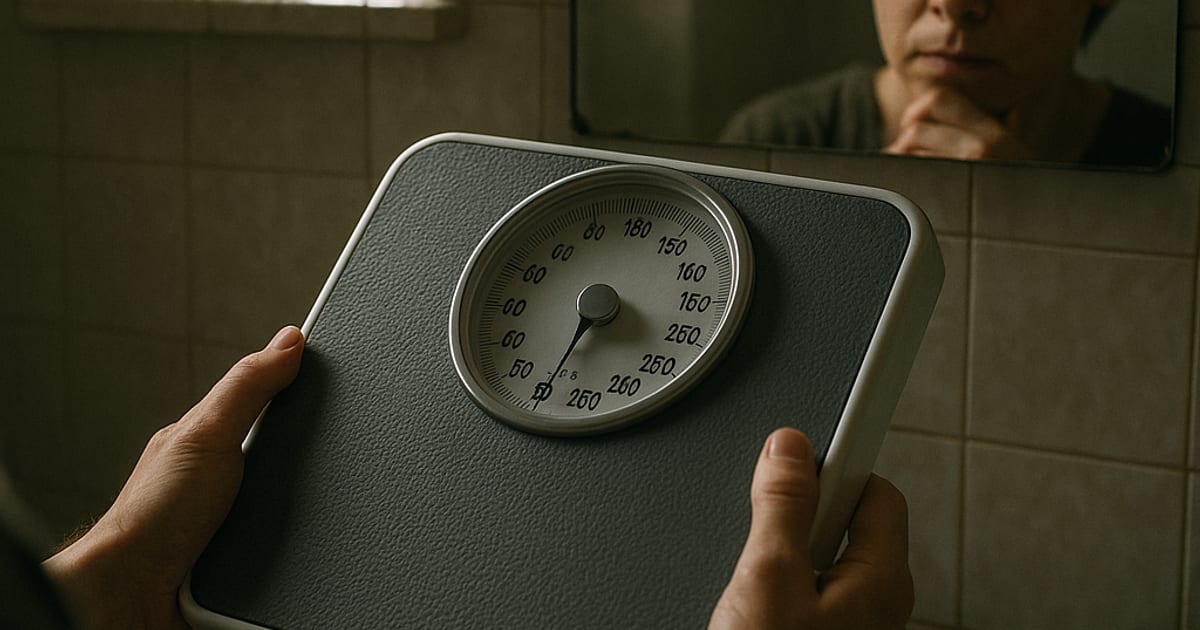
Hormones are one part of a larger picture that includes behavior, environment, and health. This overview introduces several hormones while addressing common misconceptions.
The Connection Between Hormones and Weight Loss
Hormones are biochemical messengers that play a vital role in various bodily functions, including metabolism, appetite regulation, and fat storage. Understanding how hormones influence weight loss can offer valuable insights for anyone looking to shed pounds effectively. It's not just about calories in and calories out; hormonal balance is crucial for sustainable weight management.
Which hormones does the article discuss in relation to weight?
1. Insulin
Insulin helps regulate blood sugar levels by facilitating the uptake of glucose into cells. However, elevated insulin levels can promote fat storage, making weight loss more challenging. Managing carbohydrate intake and focusing on low-glycemic foods can help control insulin levels.
2. Leptin
Leptin is known as the “satiety hormone.” It signals your brain when you're full, helping to control appetite. If you don’t get enough sleep or have insulin resistance, your body may become less sensitive to leptin, making it harder to recognize when you're full.
3. Ghrelin
Ghrelin, often called the “hunger hormone,” stimulates appetite. After eating, ghrelin levels drop, but in certain circumstances, like sleep deprivation or chronic stress, ghrelin levels can remain elevated, leading to increased hunger and cravings.
4. Cortisol
Cortisol, commonly known as the stress hormone, can affect weight if levels are chronically elevated. High cortisol levels can lead to cravings for comfort foods, especially during stressful periods, which can contribute to weight gain.
5. Thyroid Hormones
The thyroid hormones (T3 and T4) play a significant role in metabolic rate. An underactive thyroid (hypothyroidism) can lead to weight gain and difficulty losing weight. Regular check-ups can help keep your thyroid levels in check.
How to Balance Hormones for Effective Weight Loss
1. Eat a Balanced Diet
Focus on whole, nutrient-dense foods that support hormonal balance. Include plenty of vegetables, fruits, lean proteins, and healthy fats in your diet. Foods rich in omega-3 fatty acids, such as salmon and walnuts, can help reduce inflammation and improve hormonal balance.
2. Get Sufficient Sleep
Prioritize good sleep hygiene. Aim for 7-9 hours of quality sleep each night. Poor sleep can disrupt hormonal balance, leading to increased ghrelin and decreased leptin, resulting in higher hunger levels.
3. Manage Stress
Incorporate stress-management techniques such as mindfulness, meditation, or yoga into your routine. Reducing chronic stress can help regulate cortisol levels and prevent weight gain associated with stress-induced eating.
4. Stay Active
Regular physical activity can help adjust hormone levels positively. Exercise increases insulin sensitivity, helps manage cortisol levels, and can improve leptin sensitivity, enhancing appetite regulation.
Are hormones the sole cause of weight gain?
Hormones Are the Sole Cause of Weight Gain
While hormones play a significant role, it’s essential to remember that lifestyle factors such as diet and activity level are also crucial. A holistic approach that considers all aspects of health is necessary for effective weight loss.
Supplements Alone Can Fix Hormonal Imbalances
While some supplements may help, they shouldn’t replace a balanced diet or lifestyle changes. Always consult a healthcare professional before starting any supplementation.
Conclusion
Understanding the impact of hormones on weight loss can empower you to make informed decisions about your health. By focusing on a balanced diet, incorporating regular physical activity, managing stress, and ensuring adequate sleep, you can create an environment in which your hormones support your weight loss efforts.
Put this guide to use
MyDietingApp's free weight tracker can help you look at weigh-ins over time instead of reacting to one day's number.