Weight Loss · · 8 min read
Why a Free Diet App Might Not Lead to Success
Consider the limits of free diet apps, the role of habits and support, and why using an app cannot guarantee weight-loss results.
MyDietingApp Editorial · Not medically reviewed
Quick answer
A diet app can help organize tracking, but it cannot guarantee weight loss or replace suitable food, activity, medical, or social support.
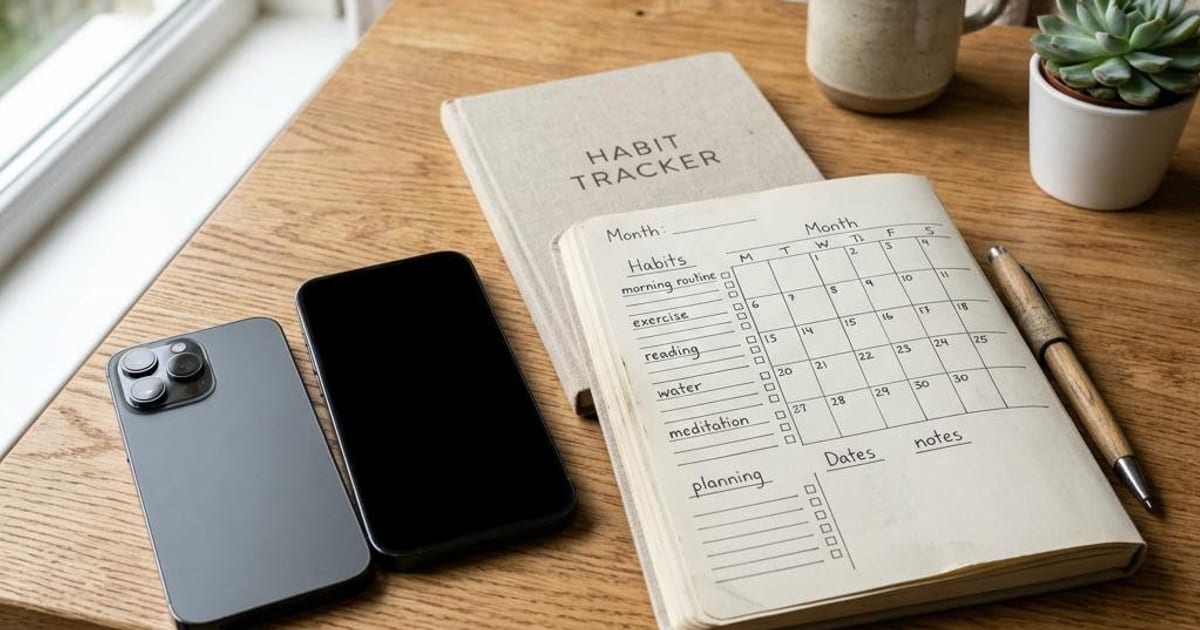
This guide discusses possible limits of free diet apps and habits that may help people use tracking tools. App features and results vary; paying for an app does not guarantee success.
The Allure of Free Diet Apps
In today's digital age, free diet apps are all over app stores, promising weight loss and healthier lifestyles at no cost. They offer features like calorie tracking, meal planning, and even community support. However, if you've downloaded one, you might have found that success often eludes you. Why is that?
What are some limits of free diet apps?
While free diet apps may be enticing, they come with a set of limitations that can hinder your weight loss goals. Let's break down the reasons why:
1. Lack of Personalization
Many free diet apps provide generic meal plans and caloric guidelines. However, every individual has unique nutritional needs based on factors like age, gender, activity level, and personal goals. Without tailored advice, your diet may not be effective.
2. Inconsistent Updates and Support
Free apps may lack consistent updates, which can affect the reliability of nutritional information. They often do not provide updates on food items, making it difficult to track dietary changes effectively. Moreover, user support is typically minimal or nonexistent.
3. Limited Features
Free diet apps are often stripped of vital features that can aid in successful weight loss. For example, advanced tools such as meal reminders, progress tracking, or AI integration might be reserved for paid versions. Without these, it's easy to lose motivation.
Behavioral Factors
Your psychological relationship with dieting can greatly influence your success. Here are some behavioral elements at play:
1. Motivation and Commitment
Many users download a free app with high hopes, but that motivation can fade. When the app doesn't deliver quick results or is too cumbersome to use, many find themselves abandoning it altogether. A lack of commitment often leads to dieting failure.
2. The Free Mentality
There's a psychological pattern that involves our perception of value. With free apps, users may less likely invest time, effort, or emotion compared to paid programs. This mindset can lead to less adherence and a casual approach to dieting.
How can you use a diet app as one support?
To make the most out of a free diet app, consider the following strategies:
- Set Realistic Goals: Define achievable, short-term objectives that can motivate you to maintain focus.
- Utilize Support Systems: Engage with friends, family, or online communities for support to keep you accountable.
- Be Consistent: Use the app regularly to track your progress, even if the features are limited.
- Supplement with Research: Invest time into learning about nutrition and exercise to make informed choices.
When to Consider Paid Options
If you find that a free diet app is not meeting your needs, it may be time to consider a paid program. Investing in a comprehensive diet app can provide:
- Personalized meal plans based on your specific needs.
- Regular updates and customer support from professionals.
- Advanced features that track your progress efficiently.
Conclusion
While free diet apps can serve as useful tools to initiate weight loss, they often fall short in delivering lasting results. If you're serious about achieving your health goals, consider the broader picture, including personalized services and consistent support.
Put this guide to use
MyDietingApp's free weight tracker can help you look at weigh-ins over time instead of reacting to one day's number.