Weight Loss · · 7 min read
Why Do You Lose So Much Weight the First Week of a Diet?
Learn why first-week scale loss can include fluid changes and why later weight trends may differ from the initial drop.
MyDietingApp Editorial · Not medically reviewed
Quick answer
Early scale loss can include water as eating patterns change, so a quick first-week drop is not necessarily all body fat or a lasting rate of loss.
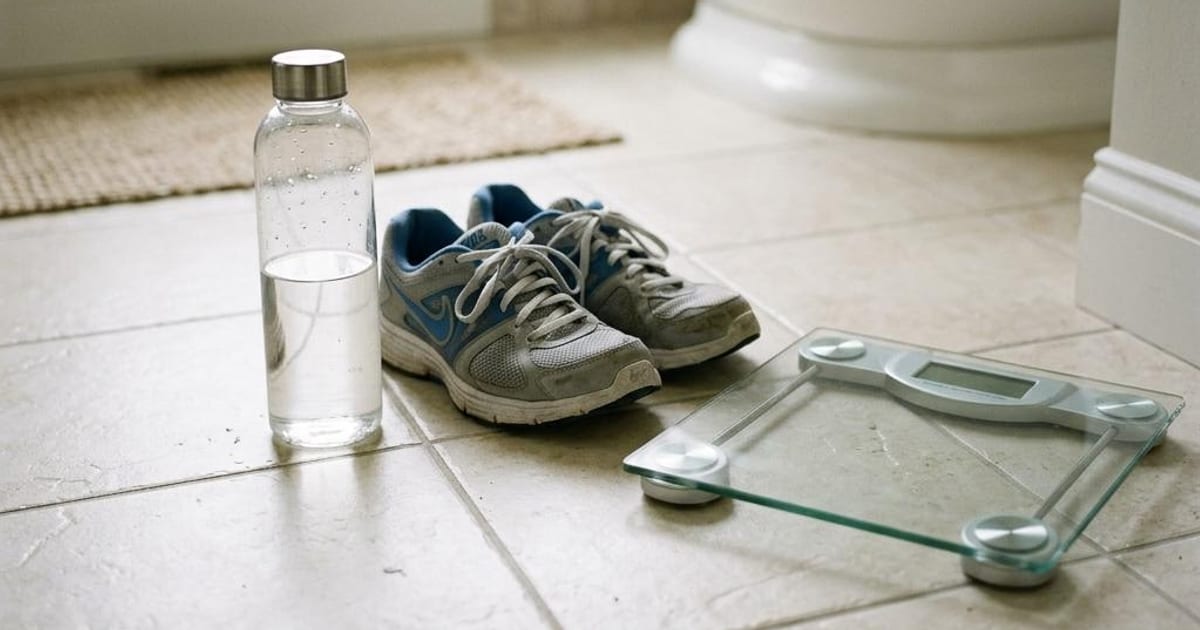
This guide explains possible early scale changes and contrasts them with longer-term trends. A dramatic first-week result is not a reliable prediction of continued loss.
Understanding Initial Weight Loss
When you start a new diet, stepping on the scale can be an exhilarating experience. Many people notice a significant drop in weight during the first week, often disheartening if the scale doesn’t reflect the same success the following week. But why does this happen? This post explores the science behind that initial weight loss.
Why can early weight loss include water?
One of the major factors affecting weight during the first week of dieting is water loss. As you change your eating habits, especially if you cut carbohydrates, your body starts burning through glycogen stores. Glycogen is the stored form of carbohydrates and each gram of glycogen is stored with about 3 grams of water.
Thus, when you begin a new diet that is lower in carbs, your body depletes these stored carbohydrates, leading to significant water weight loss. This can account for several pounds in weight loss within the first week, which is nothing but water.
Caloric Deficit: The Science of Weight Management
Unlike water loss, a caloric deficit actually indicates fat loss. When you start your diet, you are likely to consume fewer calories than your body burns. This deficit encourages your body to tap into stored fat for energy, contributing to potential weight loss over time.
To understand how to achieve a healthy caloric deficit, consider using MyDietingApp, which helps track your food intake and adjust your calorie goals effectively.
How to Create a Caloric Deficit
- Reduce Portion Sizes: Smaller portions can lead to fewer calories consumed.
- Choose Nutrient-Dense Foods: Opt for foods rich in nutrients but low in calories, such as vegetables, fruits, and whole grains.
- Practice Mindful Eating: Be aware of what and how much you are eating to prevent mindless snacking.
Metabolism and Initial Weight Loss
Starting a diet may also temporarily boost your metabolism. As you shift your food choices and perhaps increase physical activity, your metabolic rate may increase slightly. However, this impact is usually minimal and won’t sustain weight loss by itself.
Expectations Relative to Real Weight Loss
It’s important to set realistic expectations. While losing several pounds the first week may feel motivating, remember that as you continue on your weight loss journey, the numbers on the scale will likely stabilize to a more gradual weight loss of 1-2 pounds per week from fat.
Weight loss is often non-linear. Factors such as digestion, hormonal fluctuations, and activity levels can all affect your weight. Additionally, after the initial rapid weight loss, many people experience weight plateaus where the scale does not reflect the effort put into the diet.)
Is rapid weight loss sustainable?
Fast weight loss often leads to quick gains back as well. Many studies indicate that sustaining a moderate weight loss is typically more beneficial than losing weight quickly. Setting objectives for gradual weight loss, eating balanced meals, and integrating exercise into your routine are essential for long-term success.
Related Resources
If you're interested in how to effectively create a caloric deficit, check out our Calorie Deficit for Weight Loss: The Complete Beginner's Guide. Additionally, track your weight loss journey with MyDietingApp technologies to keep you accountable and motivated!
Conclusion
Put this guide to use
MyDietingApp's free weight tracker can help you look at weigh-ins over time instead of reacting to one day's number.