Nutrition · · 8 min read
Are Seed Oils and Coconut Oil Healthy?
Compare seed oils and coconut oil, their different fat profiles, and practical ways to choose cooking fats within an overall eating pattern.
MyDietingApp Editorial · Not medically reviewed
Quick answer
Seed oils and coconut oil have different fat profiles, and neither is automatically the healthier choice for every person. The article's practical takeaway is to consider the overall eating pattern and use a variety of fats.
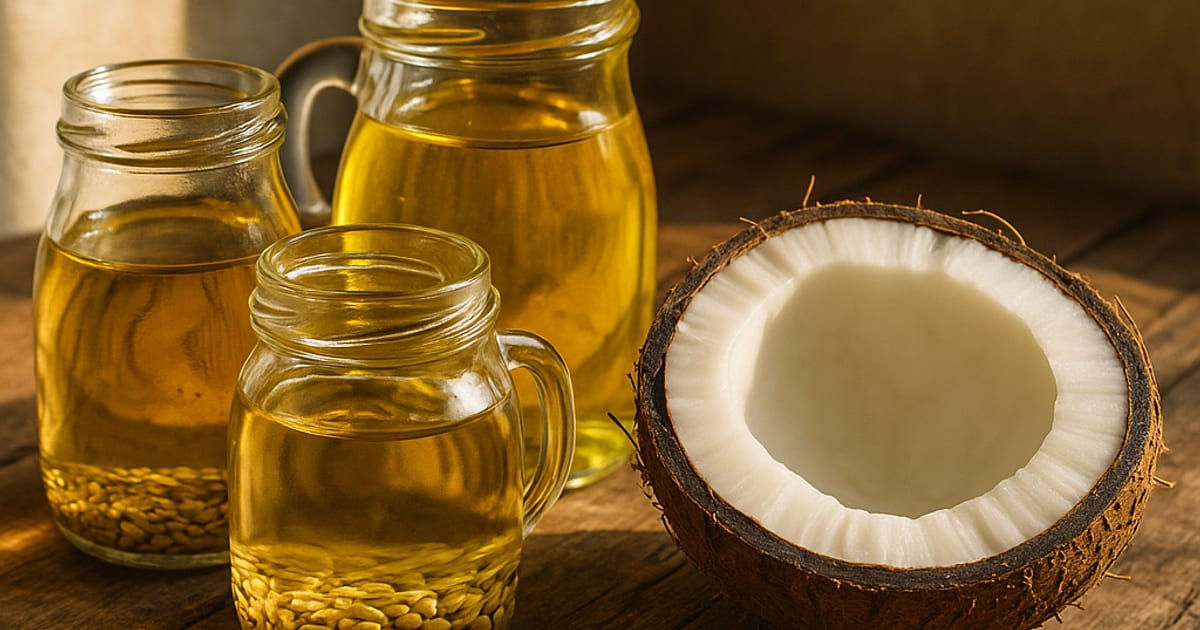
Cooking oils differ in the types of fat they contain and how they are commonly used. This guide compares those differences without naming one oil as best for everyone.
Introduction
Fats are an essential part of our diet, but not all fats are created equal. With so many options available, it's common to wonder about the health implications of various cooking oils. In this article, we'll explore the nutritional profiles of seed oils and coconut oil to help you make informed dietary choices.
What are seed oils, and what fats do they contain?
Seed oils, such as soybean, corn, and sunflower oil, have become popular due to their affordability and versatility in cooking. These oils are typically high in polyunsaturated fats, particularly omega-6 fatty acids, which play a vital role in body functions. However, the balance of omega-6 to omega-3 fatty acids is important for maintaining overall health.
The Pros of Seed Oils
- Heart Health: Seed oils can be beneficial for heart health when used in moderation, as they can help lower LDL (bad) cholesterol levels.
- Vitamin E: Many seed oils are rich in vitamin E, a powerful antioxidant that protects your cells from damage.
- Cooking Flexibility: They have a high smoke point, making them suitable for a range of cooking methods.
The Cons of Seed Oils
- High Omega-6 Ratio: Excessive consumption of omega-6 fatty acids, without adequate omega-3s, can lead to inflammation and health issues.
- Processing: Many seed oils are highly processed and may contain unhealthy trans fats, which should be limited in the diet.
Coconut Oil: A Unique Oil
Coconut oil has gained a reputation as a health food in recent years due to its unique composition. It contains a high percentage of saturated fats, primarily medium-chain triglycerides (MCTs), which can be metabolized differently than other fats.
The Benefits of Coconut Oil
- Energy Source: MCTs are quickly converted into energy by the liver, making coconut oil a popular choice among athletes and those on ketogenic diets.
- Potential Weight Loss: Some studies suggest MCTs can help increase metabolism and promote fat loss, although more research is needed for conclusive evidence.
- Antimicrobial Properties: Coconut oil has natural antimicrobial effects, which may support overall health.
Considerations with Coconut Oil
- Heart Health Concerns: Due to its high saturated fat content, some health organizations recommend limiting coconut oil intake, especially for those with heart disease.
- Balance is Key: Like any fat, moderation is crucial. Incorporating a variety of fats can provide a broader range of health benefits.
Are seed oils or coconut oil healthier?
The answer isn't straightforward, as both seed oils and coconut oil have their benefits and drawbacks. It largely depends on your overall dietary pattern and health goals. Incorporating a balanced range of healthy fats, including olive oil, avocado oil, and nuts, can ensure you get the best of both worlds.
Tips for Using Oils Wisely
- Choose unrefined oils when possible, as they retain more nutrients.
- Focus on balance by incorporating a variety of fats in your diet.
- Avoid excessive consumption of any single type of oil.
Conclusion
Put this guide to use
MyDietingApp's free food log lets you record meals and available nutrition details without assuming every meal is perfectly tracked.