Nutrition · · 7 min read
Boost Your Protein on a Dairy-Free or Plant-Based Diet
Plant-based and dairy-free protein sources, practical ways to add them to meals, and why overall nutritional balance matters.
MyDietingApp Editorial · Not medically reviewed
Quick answer
Lentils, chickpeas and beans, quinoa, nuts, seeds, and pea protein can add plant-based protein without dairy. Individual needs vary, so consider overall dietary balance as well as protein.
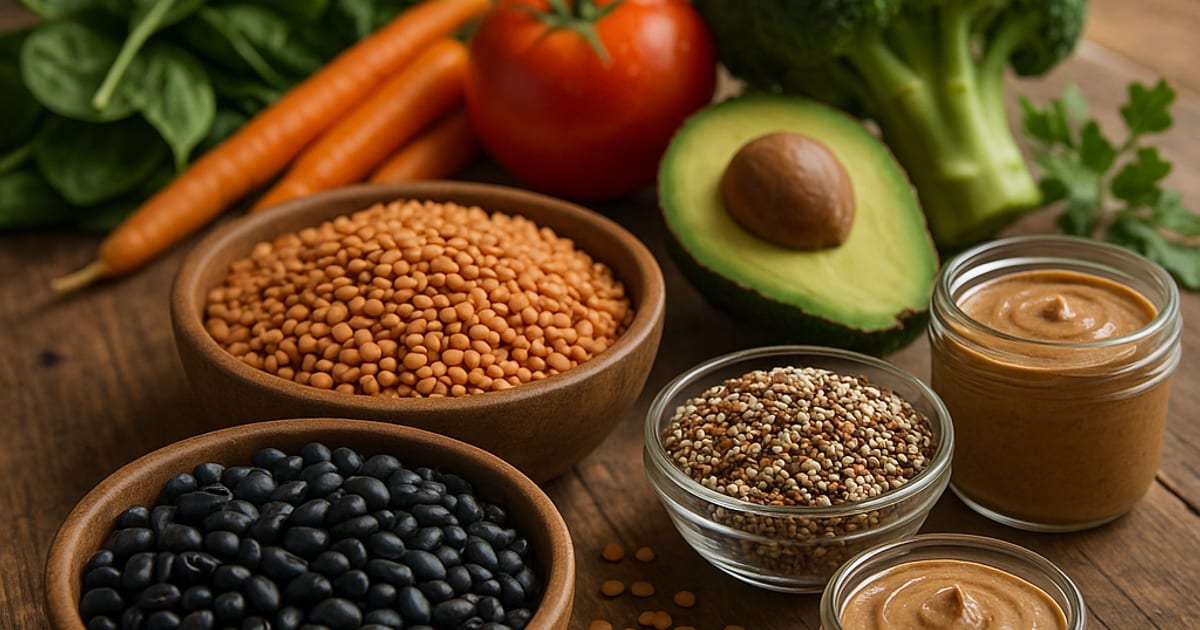
A dairy-free or plant-based pattern can include protein from a variety of foods. This guide covers food sources, meal ideas, and why personal targets can differ.
Understanding Protein Needs
Protein is a vital macronutrient that plays a key role in building and repairing tissues, making hormones and enzymes, and maintaining muscle mass. For many people, meeting protein requirements can be challenging, especially on a dairy-free or plant-based diet. By knowing how much protein you need and where to find it, you can ensure your diet remains balanced and nutritious.
How can you estimate your protein needs?
The Recommended Dietary Allowance (RDA) for protein is typically 0.8 grams per kilogram of body weight for the average adult. However, if you're working out regularly or trying to build muscle, your needs may be higher—around 1.2 to 2.0 grams per kilogram of body weight is often suggested. Utilize a simple TDEE calculator to understand your personal protein needs better.
Which plant-based foods can add protein to meals?
Incorporating protein-rich foods into your diet doesn’t have to be complicated. Here are some excellent choices for boosting your protein intake:
- Lentils: Packed with approximately 18 grams of protein per cooked cup, lentils are a great source of protein, fiber, and essential nutrients.
- Chickpeas and Beans: These legumes are versatile and can be added to salads, stews, and dips, providing around 15 grams of protein per cooked cup.
- Quinoa: This gluten-free grain offers about 8 grams of protein per cooked cup, along with all nine essential amino acids, making it a complete protein.
- Nuts and Seeds: Almonds, chia seeds, and hemp seeds are excellent high-protein snacks and can also be added to smoothies and salads.
- Pea Protein: A fantastic supplement option, pea protein can be mixed into smoothies and protein shakes, providing a significant protein boost.
Creatively Increase Protein in Meals
Here are some practical tips for using these protein sources in your daily meals:
- Start Your Day Right: Add chia seeds or hemp hearts to your morning oatmeal or smoothie for an easy protein boost.
- Snack Smart: Keep a supply of roasted chickpeas or edamame on hand for protein-packed snacks.
- Swap Ingredients: Replace standard pasta with lentil or chickpea pasta, which generally contains more protein.
- Layer Your Dishes: Include beans or quinoa as a base for salads and grain bowls to increase protein content.
- Supplement Wisely: If you find it challenging to meet your protein needs through food alone, consider protein powders or fortified plant-based products.
Consider Nutritional Balance
While it’s essential to focus on protein, don’t overlook the importance of a balanced diet. Ensure you are consuming a variety of foods to get sufficient vitamins, minerals, and other nutrients your body needs to thrive. Whole grains, fruits, and vegetables are crucial for overall health.
Seek Professional Guidance
Consulting with a nutritionist or dietitian can provide personalized insights into your dietary needs and help navigate the challenges of a dairy-free or plant-based diet. They can tailor meal plans based on your lifestyle and health goals, ensuring you stay on track.
Track Your Progress with MyDietingApp
Put this guide to use
MyDietingApp's free food log lets you record meals and available nutrition details without assuming every meal is perfectly tracked.