Nutrition · · 7 min read
Boost Protein Intake on a Dairy-Free or Plant-Based Diet
Compare dairy-free and plant-based protein sources, meal ideas, and ways to think about protein needs without relying on dairy.
MyDietingApp Editorial · Not medically reviewed
Quick answer
Beans, lentils, tofu, nuts, seeds, and some grains can contribute protein without dairy. Individual protein needs vary, so these food ideas are not a personalized target.
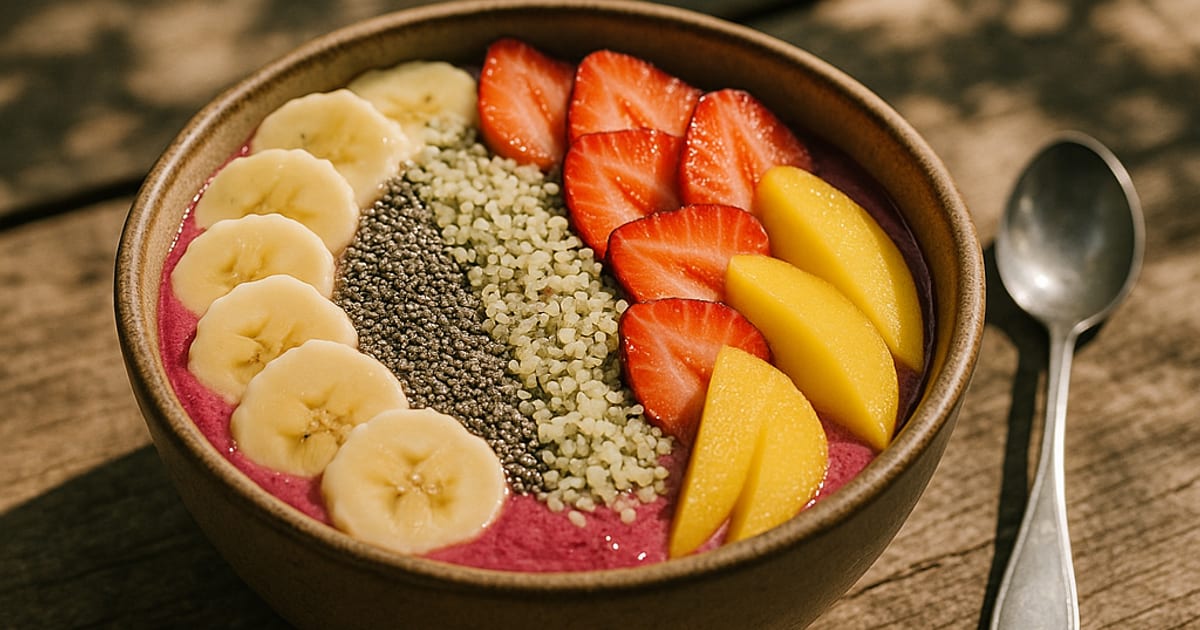
This guide compares everyday plant-protein sources and practical ways to include them in meals. Needs and portions still vary, so food examples are not a personalized target.
What protein needs should you consider?
Protein is essential for building and repairing tissues, making enzymes and hormones, and supporting overall health. If you're following a dairy-free or plant-based diet, ensuring adequate protein intake can be manageable with the right strategies and food choices.
Why Choose Dairy-Free or Plant-Based?
Many people choose a dairy-free or plant-based diet for various reasons, including lactose intolerance, health concerns, environmental considerations, or ethical beliefs. Whatever your reason, it’s important to make sure your diet is balanced and rich in the nutrients your body needs.
How can you add protein to a plant-based diet?
Here are several effective strategies to enhance your protein intake:
1. Explore Legumes and Pulses
- Lentils: A powerhouse, offering around 18 grams of protein per cooked cup.
- Chickpeas: Versatile and can be used in salads, stews, or made into hummus, providing about 15 grams of protein per cooked cup.
- Black Beans: Rich in protein and fiber, contributing around 15 grams per cooked cup.
2. Incorporate Whole Grains
Whole grains not only provide carbohydrates but are also good protein sources. Consider adding:
- Quinoa: A complete protein, meaning it contains all nine essential amino acids, with about 8 grams of protein per cooked cup.
- Farro: Offers around 6 grams of protein and can be used in salads or as a side dish.
- Bulgur: Another great option, providing about 5.5 grams of protein per cooked cup.
3. Nuts and Seeds
Nuts and seeds can be excellent sources of protein and healthy fats:
- Almonds: About 6 grams of protein per ounce, and can be enjoyed as a snack or added to meals.
- Chia Seeds: Besides being a great source of omega-3 fatty acids, they provide around 5 grams of protein per ounce.
- Hemp Seeds: A particularly protein-dense option, offering approximately 10 grams of protein per 3 tablespoons.
4. Try Plant-Based Protein Products
Many brands offer plant-based protein powders, bars, and meat substitutes made from soy, pea, or other protein sources. These can be convenient ways to boost your protein intake:
- Tofu and Tempeh: Both derived from soy, tofu has about 10 grams of protein per half-cup, while tempeh offers around 15 grams.
- Plant-Based Protein Powders: Look for blends that include pea, rice, and hemp protein for a well-rounded amino acid profile.
5. Be Creative with Meal Planning
Planning meals helps ensure variety and increases your chances of hitting your protein goals. Try:
- Making a hearty bean chili with various beans and quinoa.
- Creating grain bowls topped with roasted vegetables, legumes, and seeds.
- Using nut butter in smoothies or oatmeal for an extra protein boost.
Monitor Your Intake
Tracking your daily protein intake can help you stay on target. Use MyDietingApp for accurate food logging and to get personalized recommendations based on your lifestyle and dietary preferences.
Conclusion
Put this guide to use
MyDietingApp's free food log lets you record meals and available nutrition details without assuming every meal is perfectly tracked.