Nutrition · · 8 min read
Dieting After 50 for Women: Essential Tips for Success
Explore practical weight-management ideas for women over 50, including nutrient-dense meals, movement, hydration, and professional guidance.
MyDietingApp Editorial · Not medically reviewed
Quick answer
After 50, weight-management needs differ from person to person. The article emphasizes nutrient-dense meals, enjoyable activity, and professional guidance when health or nutrition questions need individual advice.
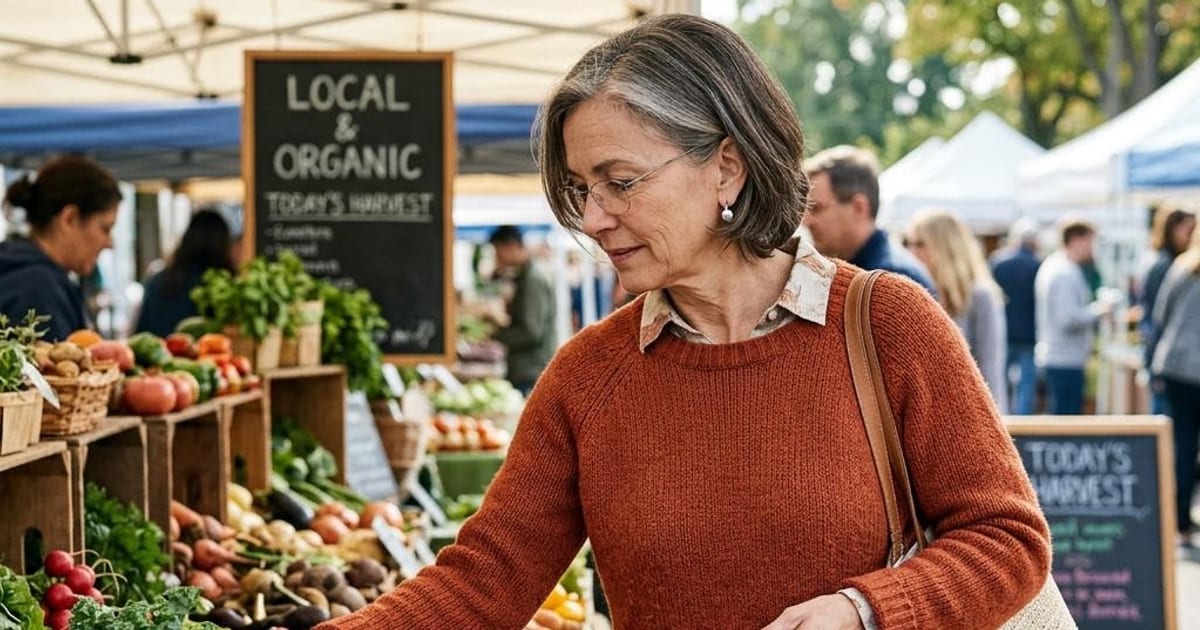
There is no single eating plan for every woman after 50. The guide reviews everyday food and activity ideas while recognizing that health needs vary.
Understanding the Changes After 50
As women age, particularly after turning 50, their bodies undergo significant changes. Hormonal shifts during menopause can affect metabolism, body composition, and fat distribution. Understanding these changes is crucial for successful dieting at this stage of life.
Which foods can help meet nutrient needs after 50?
One of the key strategies for dieting after 50 is to prioritize nutrient-dense foods. These foods provide essential nutrients without excess calories. Here’s what you should include in your diet:
- Fruits and Vegetables: Aim for a variety of colors to ensure a range of vitamins.
- Lean Proteins: Options like chicken, turkey, and legumes can help maintain muscle mass.
- Whole Grains: Choose whole grains over refined grains to benefit from the fiber.
- Healthy Fats: Incorporate sources of healthy fats such as avocados, nuts, and olive oil.
Manage Portion Sizes
After 50, our metabolism naturally slows down. It becomes vital to pay attention to portion sizes to prevent unwanted weight gain. A few practical tips include:
- Use smaller plates to help control portions.
- Be mindful when serving food—try to assess what you're eating before piling your plate high.
- Listen to your body’s hunger signals; eat when you’re hungry, and stop when you’re satisfied.
Stay Hydrated
Hydration is essential for maintaining optimal health, especially as we age. Older adults often have a reduced sense of thirst, which can lead to dehydration. Make it a point to:
- Drink at least 8 glasses of water a day, or more if active.
- Incorporate hydrating foods, like cucumbers and watermelon, into meals.
- Limit caffeine and alcohol, as they can be dehydrating.
Incorporate Regular Exercise
Dieting is only part of the weight loss equation; regular physical activity is crucial for overall health. Strength training is especially important after 50 as it helps to combat muscle loss that occurs with age. Aim for:
- Two days of strength training each week.
- Regular aerobic activities, such as walking, swimming, or cycling.
- Balance and flexibility exercises to enhance mobility.
Mindful Eating Techniques
Practicing mindful eating can help in becoming more aware of your food choices and portion sizes. Techniques to try include:
- Eating without distractions, such as screens or scrolling through your phone.
- Taking your time; put your fork down between bites to savor each mouthful.
- Paying attention to feelings of fullness and satisfaction.
When may professional nutrition guidance help?
Don’t hesitate to seek guidance. A registered dietitian or nutritionist can tailor a diet specific to your health needs and goals. They can provide valuable advice on managing common post-50 nutritional concerns like:
- Bone health, focusing on calcium and Vitamin D intake.
- Heart health, recommending healthy fats and monitoring sodium intake.
- Managing blood sugar, particularly if at risk for diabetes.
Conclusion
Put this guide to use
MyDietingApp's free food log lets you record meals and available nutrition details without assuming every meal is perfectly tracked.