Nutrition · · 7 min read
Good Carbs vs Bad Carbs: What You Need to Know
Compare high-fiber, less-processed carbohydrate foods with refined or sugary choices, and learn how to choose carbs for your meals.
MyDietingApp Editorial · Not medically reviewed
Quick answer
Carbohydrate foods vary in fiber and processing; the article favors whole grains, fruit, vegetables, and legumes over sugary drinks and many refined snacks. No single label determines a food’s overall value.
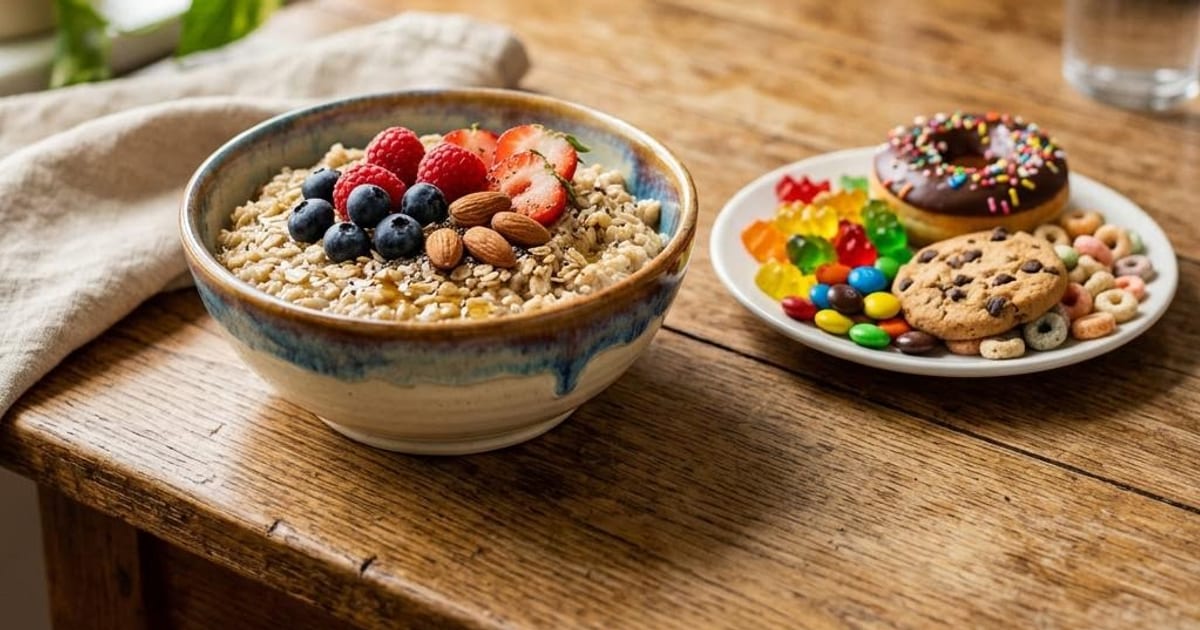
Carbohydrates are not all alike, and calling foods simply “good” or “bad” can hide important differences. This guide compares common sources and practical ways to make choices.
What are carbohydrates, and why does food quality matter?
Carbohydrates, or carbs, are one of the three main macronutrients your body needs to function optimally, along with proteins and fats. Carbs are often misunderstood, with many people labeling them as 'bad' in their pursuit of weight loss. However, not all carbs are created equal. Some can actually enhance your health and aid in your weight loss journey.
What Are Good Carbs?
Good carbs are typically complex carbohydrates that provide your body with a steady source of energy. These carbs are high in fiber, vitamins, and minerals. They contribute to a feeling of fullness and help regulate blood sugar levels.
Examples of Good Carbs
- Whole Grains: Oats, quinoa, brown rice.
- Fruits: Berries, apples, bananas, oranges.
- Vegetables: Leafy greens, sweet potatoes, broccoli.
- Legumes: Lentils, beans, chickpeas.
Health Benefits of Good Carbs
Consuming good carbs can lead to numerous health benefits, including:
- Improved Digestion: Thanks to their high fiber content.
- Balanced Energy Levels: They provide a gradual release of energy, preventing sugar crashes.
- Weight Management: They help you feel full longer, making it easier to control hunger and manage weight.
What Are Bad Carbs?
Bad carbs, on the other hand, are often simple carbohydrates that have been processed and stripped of their natural nutrients. These carbs can lead to rapid spikes in blood sugar and are often associated with weight gain and health issues.
Examples of Bad Carbs
- Refined Grains: White bread, pastries, and most cereals.
- Sugary Beverages: Soda, sweetened teas, and energy drinks.
- Processed Snacks: Chips, cookies, and candy.
Health Risks of Bad Carbs
Eating too many bad carbs can have several negative effects on your health:
- Weight Gain: These foods are often calorie-dense and low in nutrients.
- Increased Hunger: They can lead to quick spikes and drops in blood sugar, causing cravings.
- Risk of Chronic Diseases: Regular consumption can lead to diabetes, heart disease, and obesity.
How can you choose carbohydrate foods for your meals?
When it comes to incorporating carbs into your diet, focus on quality over quantity. Here are some tips to make better choices:
- Prioritize Whole Foods: Aim for fruits, vegetables, whole grains, and legumes.
- Read Labels: Look for fiber content and limit added sugars.
- Be Mindful of Portions: Even healthy carbs can contribute to excess calorie intake if consumed in large amounts.
Final Thoughts
Understanding the difference between good carbs and bad carbs can empower you to make smarter dietary choices. Prioritizing whole, nutrient-dense carbohydrates can enhance your health and weight loss efforts without leaving you feeling deprived.
Put this guide to use
MyDietingApp's free food log lets you record meals and available nutrition details without assuming every meal is perfectly tracked.