Nutrition · · 8 min read
High Fructose Corn Syrup According to Dr. Oz
Dr. Oz shares insights on high fructose corn syrup, its health effects, and alternatives for a healthier diet.
MyDietingApp Editorial · Not medically reviewed
Quick answer
Dr. Oz often warns against high fructose corn syrup, highlighting its potential health risks, particularly its role in obesity and metabolic issues.
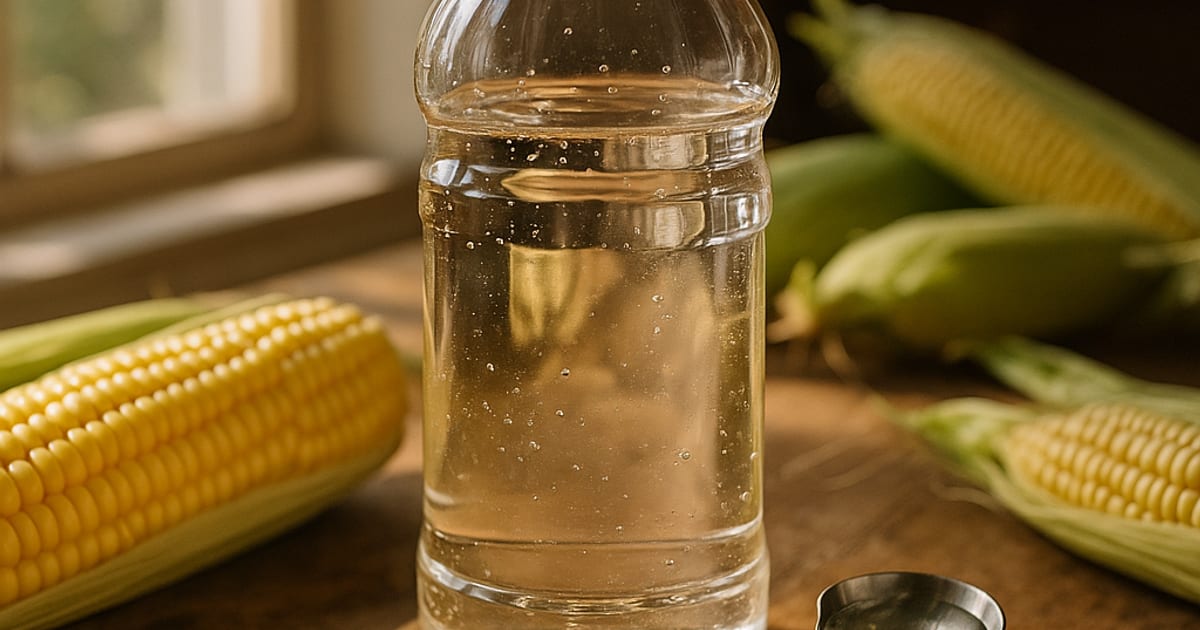
High fructose corn syrup (HFCS) has been a contentious topic in nutrition circles for years.
Popularized in the food industry for its cost-effectiveness and sweetening properties, HFCS is often found in processed foods and beverages. Dr. Oz, a well-known health advocate and television personality, has been vocal about the concerns surrounding this sweetener and its implications for health.
What Health Risks Are Associated with High Fructose Corn Syrup?
According to Dr. Oz, high fructose corn syrup is linked to various health issues. Some of these potential risks include:
- Obesity: Research has shown that excessive consumption of HFCS can lead to increased caloric intake, contributing to weight gain and obesity.
- Metabolic Syndrome: HFCS intake is associated with insulin resistance, higher triglycerides, and increased waist circumference, which are key components of metabolic syndrome.
- Fatty Liver Disease: High consumption of fructose may lead to the development of non-alcoholic fatty liver disease (NAFLD), as fructose is metabolized in the liver where it can be converted to fat.
Dr. Oz emphasizes the importance of understanding the ingredients in our food, encouraging consumers to read labels carefully to avoid high fructose corn syrup whenever possible.
How Does High Fructose Corn Syrup Compare to Other Sweeteners?
When discussing sweeteners, Dr. Oz often compares HFCS to alternatives like natural sugars and artificial sweeteners. Here’s how they measure up:
- Natural Sugars: These include cane sugar or honey, which the body processes differently than HFCS. They can still lead to similar health issues if consumed excessively, but many people perceive them as safer due to their natural origins.
- Artificial Sweeteners: Substitutes like aspartame and sucralose are zero-calorie but can have their own health concerns. Dr. Oz often mentions that while they don’t raise blood sugar levels, research about their long-term effects is ongoing.
- Agave Nectar: Although often marketed as a healthier option, agave is high in fructose similar to HFCS. Dr. Oz typically advises moderation with agave as well.
Switching to more natural alternatives, when possible, can help reduce the intake of fructose and potentially mitigate its health risks. For more insight into managing your diet, you may find our article on calorie deficit for weight loss insightful, as it addresses how to balance your calorie intake while focusing on healthier food choices.
What Steps Can You Take to Reduce High Fructose Corn Syrup in Your Diet?
To minimize HFCS in your diet, consider these practical strategies:
- Read Food Labels: Always check for HFCS in ingredients lists. Many products now offer healthier alternatives.
- Choose Whole Foods: Focus on consuming whole or minimally processed foods such as fruits, vegetables, whole grains, and lean proteins.
- Limit Sugary Beverages: Sodas and fruit drinks are significant sources of HFCS. Opt for water or unsweetened beverages.
- Cook More at Home: Preparing meals from scratch allows you to control what goes into your food.
- Educate Yourself: Stay informed about different types of sugars and sweeteners by reading articles or trusted health sources.
Ultimately, Dr. Oz’s perspective emphasizes caution around high fructose corn syrup and the importance of making informed dietary choices. While it can be tempting to indulge in sweet treats, understanding their impact on your health can help you make better lifestyle decisions that contribute to long-term well-being.
Put this guide to use
MyDietingApp's free food log lets you record meals and available nutrition details without assuming every meal is perfectly tracked.