Nutrition · · 7 min read
How Many Grams of Protein Per Day for My Body Weight?
General adult protein guidance and factors that can change daily needs, including activity, age, weight goals, and diet.
MyDietingApp Editorial · Not medically reviewed
Quick answer
The article gives 0.8 g/kg/day as the adult RDA baseline and notes that activity, age, goals, and diet can change individual needs. Higher targets are context-dependent, not a personal prescription.
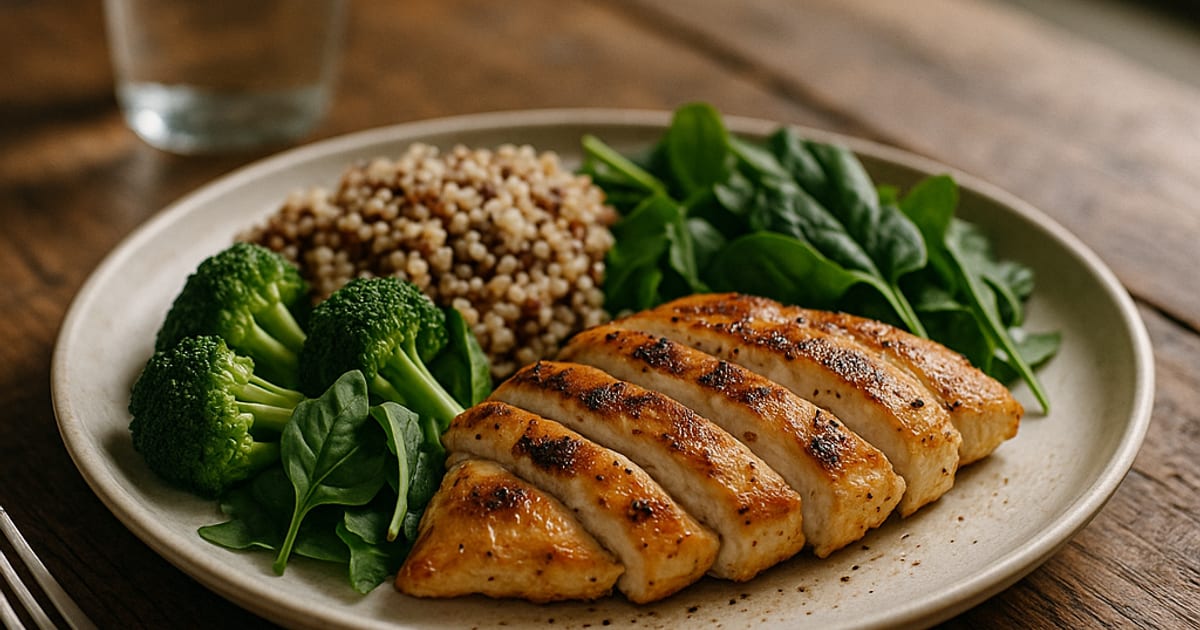
Protein targets are not identical for everyone. The article outlines a general adult reference and factors that can affect what may be appropriate for an individual.
Understanding Protein Needs
Protein is an essential macronutrient that plays a key role in building and repairing tissues, making enzymes, and supporting immune function. But how much protein do you really need daily? The answer often depends on your body weight, activity level, and specific dietary goals.
What daily protein amounts does the article give as references?
The Recommended Dietary Allowance (RDA) for protein is 0.8 grams per kilogram of body weight for the average adult. However, if you are active, aiming to lose weight, or looking to build muscle, your requirements may be higher.
- General Maintenance: 0.8 grams per kg of body weight.
- Weight Loss or Muscle Gain: Between 1.2 to 2.2 grams per kg, depending on your activity level.
- Athletes: Up to 2.0 grams per kg for those engaged in intense training.
How to Calculate Your Protein Needs
To find out how much protein you should consume each day, follow these steps:
- Convert your weight to kilograms: Divide your weight in pounds by 2.2.
- Multiply by your target protein grams: Use the appropriate multiplier based on your goals (0.8g for maintenance, 1.2-2.2g for weight loss/muscle gain).
- Example: If you weigh 150 pounds (about 68 kg) and are looking to build muscle, you might consider a protein intake of (68 kg x 1.6g = 109 grams) per day.
What factors can influence individual protein needs?
Several factors can affect your protein requirements:
- Age: Older adults may need more protein to help preserve muscle mass.
- Activity Level: More active individuals typically require higher amounts of protein.
- Weight Goals: Those in a calorie deficit for weight loss often aim for a higher protein intake to maintain muscle.
- Diet Type: Different diets (like keto or vegetarian) might necessitate adjustments in your protein sources.
Sources of Protein
Once you determine how much protein you need, it’s vital to choose sources that will help you reach that target:
- Animal Sources: Chicken, turkey, lean beef, fish, eggs, and dairy provide high-quality proteins.
- Plant Sources: Beans, lentils, tofu, quinoa, nuts, and seeds can also contribute to your protein intake, especially for vegetarians or vegans.
- Protein Supplements: If you struggle to meet your targets through food alone, consider protein powders, bars, or fortified foods.
Monitoring Your Protein Intake
Tracking your protein intake is vital to ensure you are meeting your daily needs. Apps like MyDietingApp can assist in monitoring your consumption and adjusting your diet according to your goals. With features like an AI food logging system and personalized coaching, you'll receive guidance tailored specifically to you.
Conclusion
Knowing how many grams of protein you need daily is essential for optimizing your health, aiding weight loss, or enhancing muscle gain. Aiming for 1.2 to 2.2 grams per kilogram of body weight, depending on your individual goals, can help you structure your diet effectively. For practical tips on including high-protein foods in your meals, check out our article on the 27 Best High-Protein Foods for Weight Loss.
Put this guide to use
MyDietingApp's free food log lets you record meals and available nutrition details without assuming every meal is perfectly tracked.