Nutrition · · 7 min read
How Much Fiber and Water Do I Really Need Daily?
General adult reference amounts for fiber and daily water intake, plus factors such as activity, climate, and health that affect individual needs.
MyDietingApp Editorial · Not medically reviewed
Quick answer
The article lists adult reference amounts of 25 g of fiber for women and 38 g for men, plus 2.7 and 3.7 L of daily water intake, respectively. These are general figures; individual needs vary.
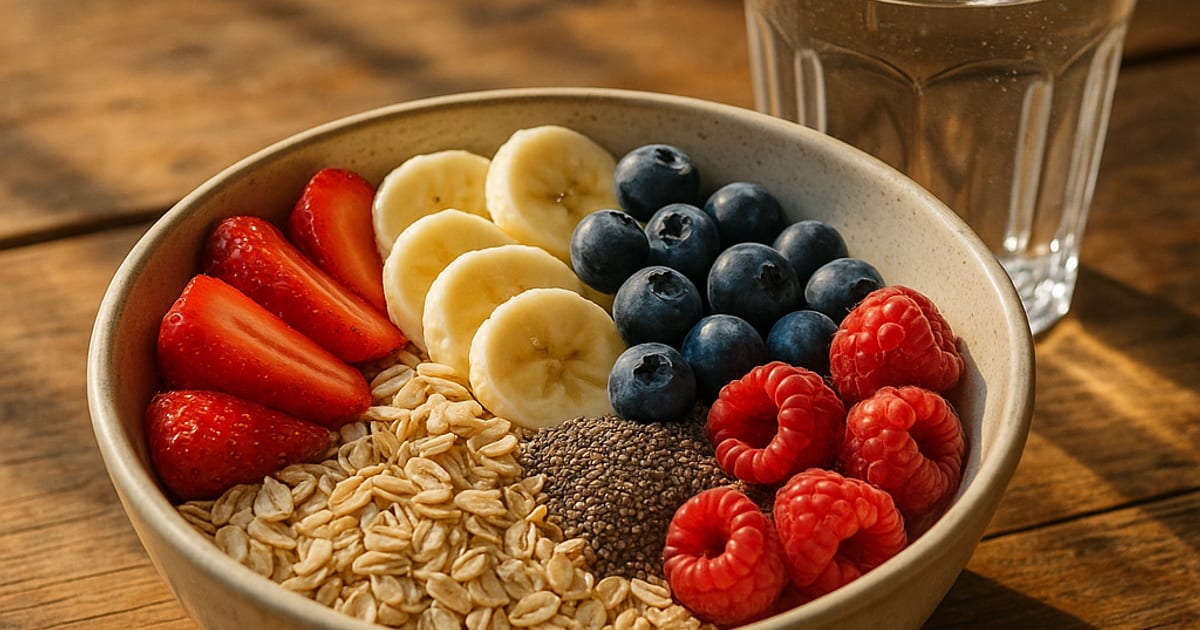
Fiber and fluid needs depend on more than a single daily target. This guide summarizes general adult reference amounts and factors that can change individual needs.
How much fiber do the article’s adult guidelines suggest?
Fiber is an essential component of a healthy diet. It comes in two forms: soluble and insoluble. Soluble fiber dissolves in water and can help lower blood cholesterol and glucose levels, while insoluble fiber promotes digestive health by adding bulk to your stool.
The daily recommendation for adults is:
- 25 grams for women
- 38 grams for men
Unfortunately, many people fall short of these recommendations. Incorporating a variety of fruits, vegetables, whole grains, legumes, nuts, and seeds into your meals can help bridge the gap.
Why is Fiber Important?
Fiber plays a crucial role in:
- Promoting healthy digestion
- Regulating blood sugar levels
- Maintaining a healthy weight
- Reducing the risk of certain diseases, including type 2 diabetes and heart disease
A high-fiber diet can also improve feelings of fullness, making it easier to control calorie intake.
How much water do the article’s adult guidelines suggest?
Water is vital for nearly every function in the body, including regulating temperature, keeping joints lubricated, and delivering nutrients to cells. The general recommendation for water intake can vary based on factors like age, gender, physical activity, and climate. However, a common guideline suggests:
- About 3.7 liters (or 13 cups) for men
- About 2.7 liters (or 9 cups) for women
Factors Influencing Water Needs
Your individual water needs may differ based on:
- Physical activity level: More exercise means more sweating and higher water needs.
- Climate: Hot or humid weather can increase the need for water.
- Diet: High protein or high fiber diets can necessitate increased water consumption for proper digestion.
Signs You Might Not Be Getting Enough Fiber or Water
Be on the lookout for signs that you may not be consuming enough fiber or water:
- For fiber: Constipation, bloating, or feelings of hunger shortly after eating can indicate insufficient fiber intake.
- For hydration: Symptoms include dry mouth, fatigue, dizziness, and dark-colored urine.
Practical Tips to Ensure Adequate Intake
Here are some straightforward tips to help you reach your fiber and water goals:
- For fiber:
- Start your day with high-fiber breakfast options like oatmeal or whole-grain toast.
- Snack on fruits, vegetables, and nuts instead of processed snacks.
- For hydration:
- Carry a water bottle to remind yourself to drink throughout the day.
- Drink a glass of water before each meal.
Conclusion
Put this guide to use
MyDietingApp's free water tracker can help you record drinks. It cannot determine your individual fluid needs.