Nutrition · · 7 min read
How Much Protein Should I Eat While Losing Weight?
Understand why protein needs vary during weight loss and how to treat the article's broad intake estimate as a starting point.
MyDietingApp Editorial · Not medically reviewed
Quick answer
Protein needs vary with body size, activity, and health. The article's broad per-pound estimate is not a personalized prescription and may not suit everyone.
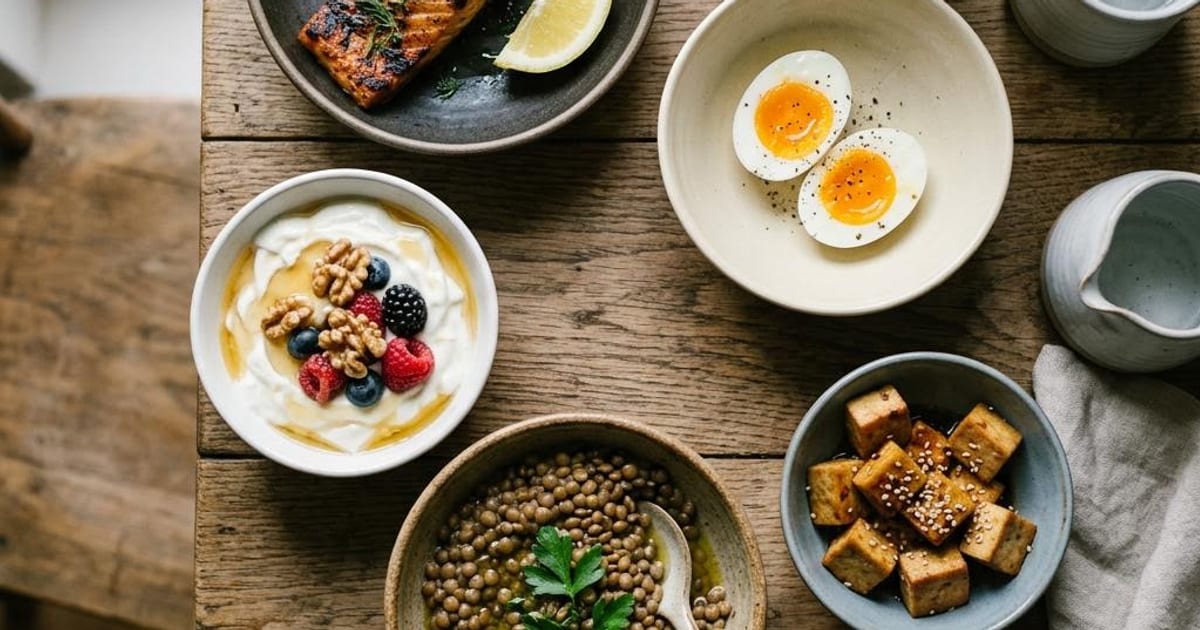
The article discusses protein's role, a broad intake estimate, and factors that influence individual needs. The estimate should not be treated as a prescription for every reader.
Why can protein matter during weight loss?
Protein is an essential macronutrient that plays a critical role in building and repairing tissues, making enzymes and hormones, and supporting overall health. If you're on a weight loss journey, understanding how much protein to consume can significantly impact your success.
What Are the Benefits of Protein in a Weight Loss Diet?
Eating enough protein while trying to lose weight offers several benefits:
- Muscle Retention: Protein helps preserve lean muscle mass, especially when you are in a calorie deficit.
- Increased Satiety: Protein is more satiating than carbohydrates or fats, helping reduce hunger and unwanted snacking.
- Boosted Metabolism: A high-protein diet can increase your metabolic rate, which helps burn more calories.
How much protein might you need?
While individual protein needs can vary, a common recommendation is to aim for 0.8 to 1.0 grams of protein per pound of body weight if you are actively trying to lose weight. For a 150-pound person, this translates to about 120 to 150 grams of protein daily.
Factors Affecting Protein Needs
Consider these factors when determining your protein intake:
- Activity Level: More active individuals require more protein to support muscle repair and recovery.
- Age: Older adults may need more protein to help counteract muscle loss associated with aging.
- Weight Loss Goals: More aggressive weight loss plans may necessitate higher protein intake to maintain muscle mass.
How to Incorporate More Protein into Your Diet
Boosting your protein intake can be straightforward. Here are some practical tips:
- Choose Lean Proteins: Options like chicken, turkey, fish, eggs, beans, and legumes are excellent choices.
- Snack Wisely: Replace chips with high-protein snacks such as Greek yogurt, cottage cheese, or nuts.
- Protein Supplements: If you struggle to meet your protein needs, consider supplements like protein powder to help bridge the gap.
High-Protein Foods to Consider
Some foods to include in your diet for high protein content include:
- Chicken breast
- Fish (like salmon and tuna)
- Tofu and tempeh
- Legumes (e.g., lentils and chickpeas)
- Greek yogurt
For a detailed list, check out our guide on the 27 Best High-Protein Foods for Weight Loss.
Common Misconceptions About Protein Intake
Despite the clear benefits, there are misconceptions regarding protein consumption. Many believe that excessive protein can harm your kidneys or lead to weight gain; however, as long as you are not exceeding your overall calorie needs, protein is a safe and beneficial part of a healthy diet. Always consult with a healthcare provider if you have specific concerns.
Conclusion
Put this guide to use
MyDietingApp's free food log lets you record meals and available nutrition details without assuming every meal is perfectly tracked.