Nutrition · · 7 min read
How Peanut Butter Can Help You Stay Full Longer and Lose Weight
Explore how peanut butter can enhance satiety and aid in weight loss through healthy fats and protein.
MyDietingApp Editorial · Not medically reviewed
Quick answer
Peanut butter can help you feel full longer due to its healthy fats and protein content, making it a great addition to a weight loss plan. Check out Dr. Mandell on youtube for more.
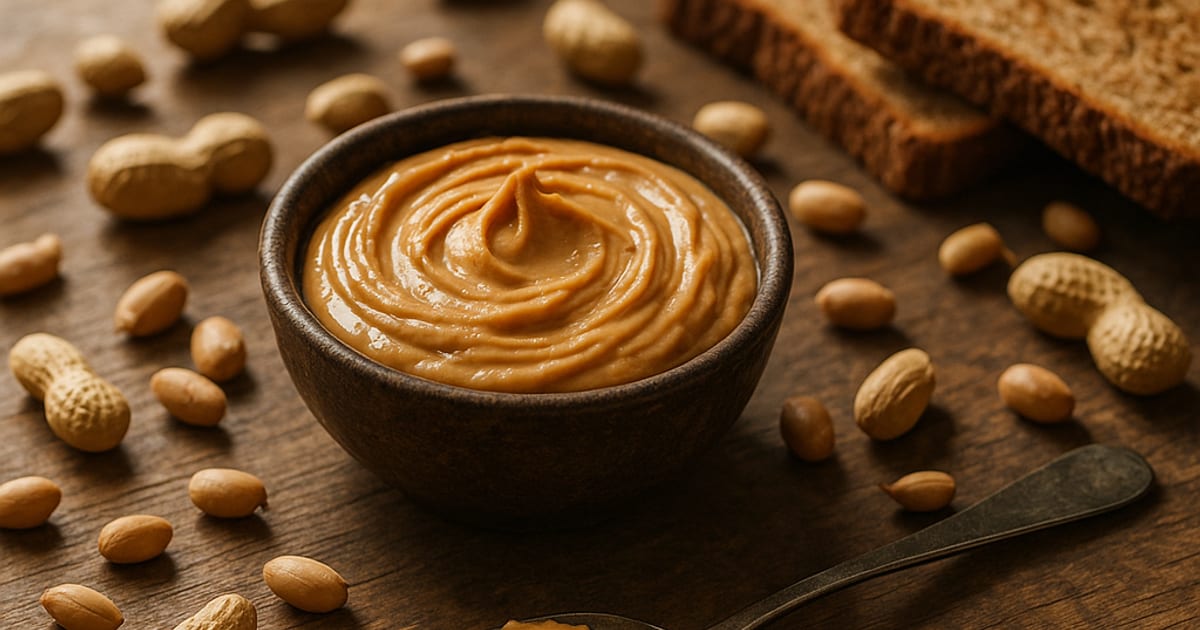
Peanut butter is a popular spread, beloved for its creamy texture and rich flavor.
But beyond being a delicious treat, it has benefits that can aid your weight loss journey. It's important to understand how peanut butter contributes to your satiety and how to incorporate it into a balanced diet effectively.
How Does Peanut Butter Promote Fullness?
When it comes to feeling satisfied after a meal or snack, the nutrients in peanut butter play a crucial role. The main factors that contribute to its filling properties include:
- Healthy Fats: Peanut butter is rich in monounsaturated and polyunsaturated fats, which are heart-healthy. These fats take longer to digest, helping you feel full for a longer period.
- Protein Content: A typical serving (about two tablespoons) contains around 8 grams of protein. Protein is known to be very satiating, leading to reduced hunger levels.
- Fiber: Peanut butter offers a moderate amount of dietary fiber, contributing further to fullness and digestive health.
What Are the Best Ways to Include Peanut Butter in Your Diet?
Incorporating peanut butter into your diet can be both easy and delicious. Here are some practical suggestions:
- Spread it on Whole Grains: Use peanut butter as a spread on whole-grain bread or rice cakes for a satisfying snack.
- Add it to Smoothies: Mix a tablespoon into your smoothie. This adds creaminess and helps keep you full until your next meal.
- Pair with Fruits: Slice apples or bananas and dip them in peanut butter. This combo provides a balance of carbs, fiber, and healthy fats.
- Include in Breakfast: Stir peanut butter into oatmeal or yogurt for a protein-packed breakfast that sustains you throughout the morning.
While peanut butter can be beneficial, moderation is key. It is calorie-dense, so it's important to keep portion sizes in check. A typical serving size is about two tablespoons, which is sufficient to enjoy its benefits without overindulging.
Are There Any Drawbacks to Eating Peanut Butter?
For most people, peanut butter is a healthy addition to their diet. However, there are a few considerations to keep in mind:
- Caloric Density: Because of its high caloric content, too much peanut butter can lead to weight gain if not accounted for in daily calorie intake.
- Allergies: Peanut allergies are common and can cause severe reactions. If you have a peanut allergy, alternatives like almond or sunbutter should be considered.
When aiming for weight loss, it's crucial to maintain a calorie deficit, meaning you should burn more calories than you consume. Peanut butter can be a part of your strategy in achieving that goal when used wisely. It’s important to remember the role of other food groups and to balance your macronutrients for the best results. For more insights into how to manage your overall calorie consumption, you might check out our complete guide on calorie deficit for weight loss.
Conclusion
Peanut butter can indeed assist with weight loss by helping you stay full longer and offering nutrients that nourish your body. By incorporating it in measured amounts and pairing it with other healthy foods, you can enjoy its benefits while keeping up your weight loss goals.
Put this guide to use
MyDietingApp's free food log lets you record meals and available nutrition details without assuming every meal is perfectly tracked.