Nutrition · · 7 min read
How to Build a High Protein Meal Plan for Weight Loss
Build a flexible high-protein meal plan with food choices and portions that can be adjusted to individual needs and preferences.
MyDietingApp Editorial · Not medically reviewed
Quick answer
A high-protein meal plan can include protein-rich foods at meals, but individual needs and weight outcomes vary. One meal plan is not right for everyone.
This guide outlines a meal-planning process, from estimating a starting protein target to choosing foods and staying flexible. The example target is not a personalized prescription.
Understanding the Importance of Protein for Weight Loss
When it comes to losing weight, nutrition plays a crucial role. One important component of any weight loss strategy is protein. Protein helps build muscle, keep you feeling full, and boost your metabolism. In fact, a high protein meal plan can significantly enhance your weight loss efforts by reducing cravings and minimizing fat loss while preserving muscle mass.
What may a high-protein meal plan offer?
- Increased Satiety: Protein-rich foods take longer to digest, keeping you feeling fuller for longer.
- Muscle Preservation: When you're in a caloric deficit, protein helps maintain lean muscle.
- Metabolic Boost: Protein has a higher thermic effect, meaning your body burns more calories digesting it compared to fats and carbs.
- Weight Control: Regular consumption of protein can help regulate hormones that influence hunger.
How can you build a high-protein meal plan?
Building a high protein meal plan doesn't have to be complicated. Here’s a step-by-step approach to help you get started:
Step 1: Determine Your Protein Needs
First, figure out how much protein you need. A common recommendation is approximately 0.8 to 1 gram of protein per pound of body weight, depending on your activity level. For example, if you weigh 150 pounds, aim for 120-150 grams of protein per day.
Step 2: Choose Protein Sources
Next, select protein-rich foods that you enjoy. Here are some popular options:
- Chicken breast
- Turkey
- Fish (like salmon and tuna)
- Eggs and egg whites
- Dairy (Greek yogurt, cottage cheese)
- Legumes (beans, lentils)
- Tofu and tempeh
- Nuts and seeds
Step 3: Plan Your Meals
Organize your meals to ensure you're hitting your protein goals. A sample day might look something like this:
- Breakfast: Scrambled eggs with spinach and feta cheese
- Lunch: Grilled chicken salad with quinoa and a variety of vegetables
- Snack: Greek yogurt topped with nuts
- Dinner: Baked salmon with steamed broccoli and brown rice
- Evening Snack: A protein shake or a spoonful of peanut butter
Step 4: Meal Prep for Success
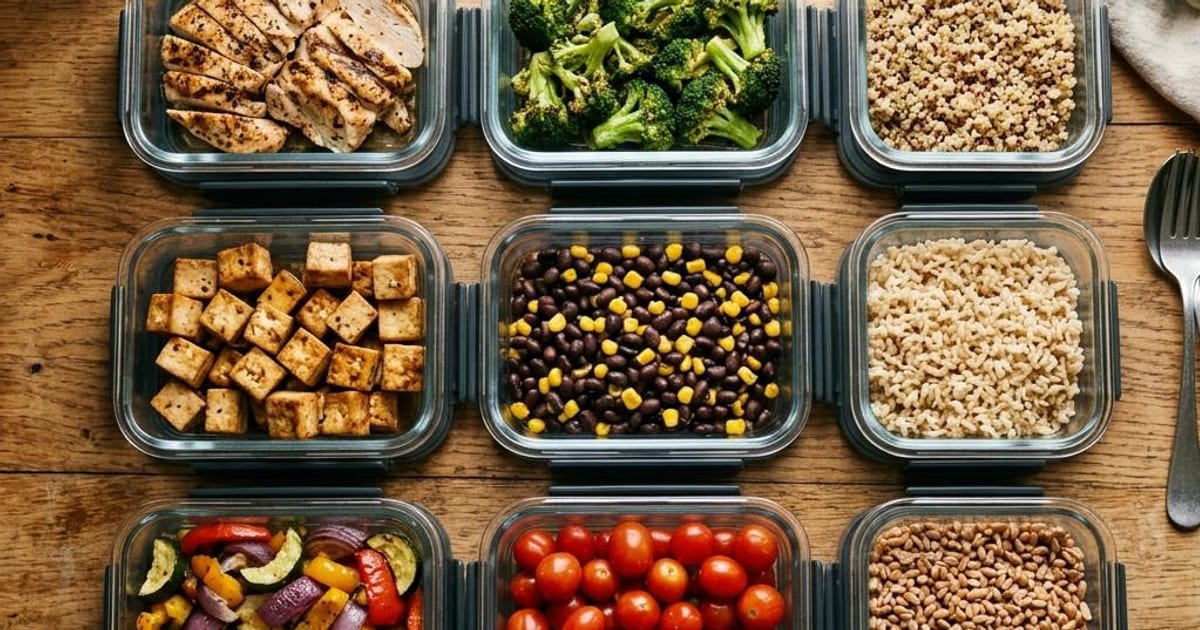
Preparing meals in advance can save you time and help you stick to your high protein meal plan. Here are some meal prep tips:
- Cook protein sources in bulk, such as grilling several chicken breasts or baking a tray of fish.
- Portion out your meals into containers, making it easy to grab on busy days.
- Include a mix of proteins, vegetables, and healthy carbs to keep meals balanced.
- Experiment with different recipes to avoid boredom.
Staying Flexible and Motivated
Remember, it's important to be flexible with your meal plan. If you find that you’re not enjoying a particular meal or snack, switch it up! Try new high protein recipes and continue to explore different cooking methods. Staying motivated and tracking your progress can help you remain focused on your weight loss goals.
Utilizing MyDietingApp for Extra Support
Put this guide to use
MyDietingApp's free food log lets you record meals and available nutrition details without assuming every meal is perfectly tracked.