Nutrition · · 7 min read
Should I Go Gluten Free to Help in Weight Loss?
Learn whether gluten-free eating supports weight loss, who may need to avoid gluten, and why results are not guaranteed.
MyDietingApp Editorial · Not medically reviewed
Quick answer
Going gluten-free does not by itself guarantee weight loss for people without a gluten-related condition. People with celiac disease need medical guidance about avoiding gluten.
This guide separates medically indicated gluten avoidance from using a gluten-free diet for weight loss. It also covers other habits that may support weight management.
Understanding Gluten and Weight Loss
With the rise of various diets, gluten-free has become a popular buzzword. But should you really consider going gluten free to aid your weight loss journey? Let's explore this in a straightforward manner.
What is Gluten?
Gluten is a protein found in wheat, barley, and rye. It's responsible for the elasticity in dough and is commonly found in breads, pastas, and many processed foods. For most people, gluten is harmless and is part of a balanced diet.
Who may need to avoid gluten?
- Celiac Disease: This is an autoimmune disorder where ingesting gluten triggers damaging reactions in the small intestine. People with celiac disease must be strictly gluten free.
- Non-Celiac Gluten Sensitivity: Some individuals report symptoms similar to those of celiac disease when consuming gluten, without the autoimmune damage. They may benefit from reducing or eliminating gluten.
- Wheat Allergy: This allergic reaction to proteins in wheat, including gluten, requires individuals to avoid wheat products entirely.
Can going gluten-free lead to weight loss?
For those without gluten-related disorders, cutting gluten may not lead to weight loss simply by itself. Here's why:
- Processed Foods: Many gluten-free products are processed and can be high in sugar and fats, which may lead to weight gain. Just because a product is gluten-free doesn't mean it's healthy or low-calorie.
- Balanced Diet: A diet rich in whole foods like fruits, vegetables, lean proteins, and whole grains can support weight loss more effectively than a gluten-free diet based on processed alternatives.
Tips for Healthy Weight Loss
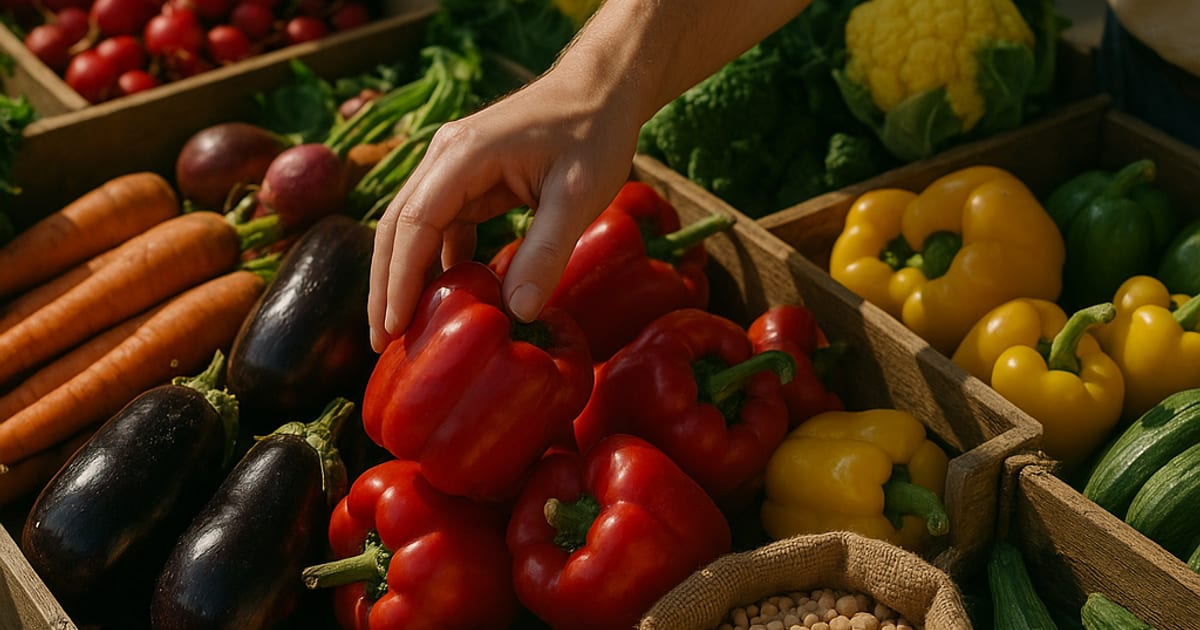
- Focus on Whole Foods: Incorporate naturally gluten-free foods like fruits, vegetables, legumes, nuts, and seeds into your diet. These are generally lower in calories and high in nutrients.
- Monitor Portion Sizes: Keeping an eye on how much you eat is crucial for weight loss. Gluten-free snacks can still be calorie-dense, so moderation is key.
- Stay Active: Regular physical activity complements dietary changes and can significantly boost your weight loss efforts. For exercise recommendations, check out how much exercise per week for weight loss.
Conclusion
Ultimately, going gluten free may be beneficial for individuals with gluten intolerance or celiac disease but isn't a guaranteed method for weight loss for the general population. Instead, focus on a balanced diet and an active lifestyle for effective weight management.
Put this guide to use
MyDietingApp's free food log lets you record meals and available nutrition details without assuming every meal is perfectly tracked.