Hydration · · 6 min read
Staying Hydrated: The Key to Managing Bodyweight
Explore how hydration relates to bodyweight, why fluid needs vary, and practical hydration habits without treating water as a weight-loss cure.
MyDietingApp Editorial · Not medically reviewed
Quick answer
Fluid needs vary with the person and their circumstances, and drinking extra water is not a guaranteed weight-loss method. Water can affect short-term scale readings, while food and other drinks also contribute to fluid intake.
Hydration supports normal body functions, but there is no one fluid target for everyone. This guide reviews general intake considerations and ways to notice everyday habits.
Understanding the Importance of Hydration
When it comes to weight management, one often-overlooked factor is hydration. Staying hydrated is essential for overall health, impacting everything from organ function to skin appearance. But did you know that it also plays a critical role in maintaining and managing your body weight? In this article, we will explore the connection between hydration and bodyweight and provide practical tips for ensuring you stay well-hydrated.
How might hydration affect bodyweight?
Our bodies are made up of around 60% water, which means hydration is vital for every bodily function. Here are a few key ways in which staying hydrated can affect your body weight:
- Appetite Control: Research shows that drinking water before meals can help curb appetite. When you're well-hydrated, you're less likely to confuse thirst with hunger, which can prevent unnecessary snacking.
- Caloric Intake: Staying hydrated can make it easier to stick to your diet. Since substituting sugary drinks with water significantly reduces calorie intake, it contributes positively to weight loss.
- Metabolism Boost: Hydration can temporarily boost your metabolism. Studies indicate that drinking water can increase the number of calories burned at rest, known as resting energy expenditure.
- Exercise Performance: Proper hydration enhances physical performance. If you're exercising regularly as part of your weight loss program, adequate hydration is crucial to prevent fatigue and ensure optimal performance.
How much fluid might you need each day?
While the classic recommendation is to drink eight 8-ounce glasses of water daily, individual needs can vary based on factors such as age, gender, activity level, and climate. A general guideline is:
- Men: about 3.7 liters (or around 13 cups) per day
- Women: about 2.7 liters (or around 9 cups) per day
Keep in mind that these numbers can include all beverages and food sources (like fruits and vegetables) that contain water.
Practical Tips for Staying Hydrated
Here are some easy tips to help you maintain your hydration levels:
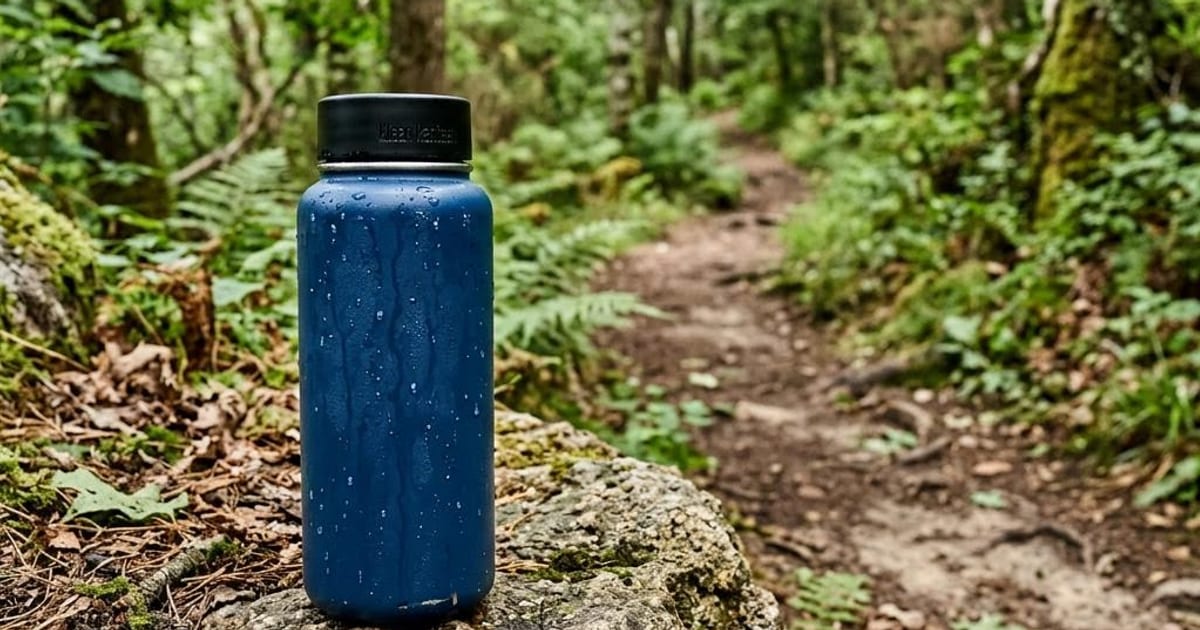
- Carry a Water Bottle: Having a refillable water bottle can serve as a reminder to drink more throughout the day. Aim to fill it up multiple times.
- Set Reminders: Use your phone or a designated app to set hourly reminders to take a sip of water.
- Infuse Flavor: If plain water feels boring, consider adding slices of fruits (like lemon, cucumber, or berries) to enhance the flavor without added calories.
- Track Your Intake: Use an app to monitor your daily water intake, so you can be more aware of your habits.
- Make it a Habit: Tie drinking a glass of water to existing habits, like having a glass before you eat or after you wake up in the morning.
Signs of Dehydration
Recognizing the signs of dehydration is crucial for maintaining your health and weight:
- Thirst – A natural indicator that your body needs water.
- Dark Urine – Darker-colored urine suggests a need for more hydration.
- Fatigue – Feeling unusually tired can be a sign of dehydration.
- Dizziness – This can occur in cases of more severe dehydration.
Conclusion
Put this guide to use
MyDietingApp's free water tracker can help you record drinks. It cannot determine your individual fluid needs.