Fitness · · 7 min read
Understanding Body Fat Percent: How to Measure It
Compare common ways to estimate body-fat percentage and learn why methods, timing, and individual results can differ.
MyDietingApp Editorial · Not medically reviewed
Quick answer
Body-fat percentage estimates the share of body weight made up by fat. Measurement methods have different limits, so results are estimates rather than a complete health assessment.
This guide describes body-fat estimates, common measurement methods, and when to measure. A percentage alone does not determine a person's overall health.
What does body-fat percentage measure?
Body fat percent refers to the proportion of fat in your body compared to total weight. It's an important metric for understanding your overall health and fitness levels. While many people focus solely on the scale, tracking body fat percentage can provide a more accurate picture of how much fat versus muscle you have.
Why is Body Fat Percentage Important?
Monitoring your body fat percent can help you assess your health better than weight alone. It aids in determining if you're at a healthy weight, calculating your caloric needs, and setting realistic health goals. Healthy body fat percentages vary by gender and age:
- Men: 6-24%
- Women: 16-30%
Exceeding these ranges can increase health risks such as heart disease, diabetes, and other conditions related to obesity.
How can you estimate body-fat percentage?
There are several methods available for measuring body fat percentage. Here are the most common:
1. Skinfold Measurements
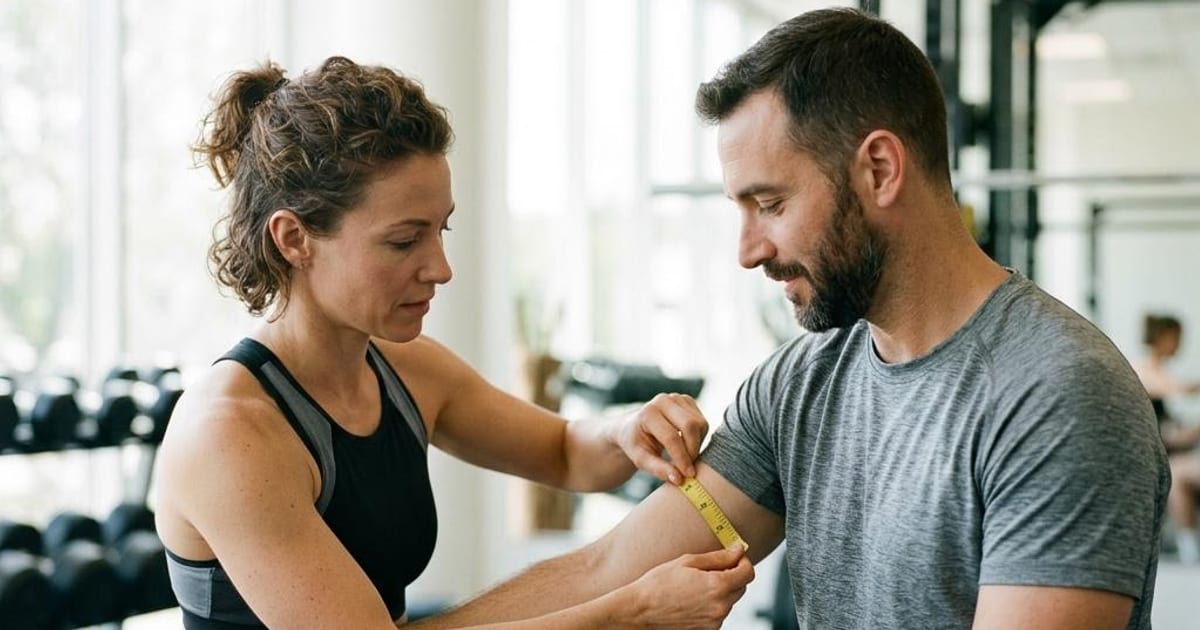
This involves using calipers to pinch and measure the thickness of your skin at various sites on your body. These measurements are then used in a formula to estimate body fat percentage.
2. Bioelectrical Impedance Analysis (BIA)
BIA devices send a small electrical current through the body to estimate body composition based on how quickly the current travels through fat versus lean tissue. You can find BIA devices in gyms or consider handheld devices for home use.
3. DEXA Scan
A Dual-Energy X-ray Absorptiometry (DEXA) scan provides a detailed breakdown of body composition and is one of the most accurate methods. However, it is more expensive and usually performed in medical facilities.
4. Hydrostatic Weighing
This underwater weighing method measures body density to estimate body fat percentage. While accurate, it requires specialized equipment and is not widely available.
5. Body Circumference Measurements
You can also estimate body fat using waist and hip measurements in comparison to your height. This method can be easily performed at home and helps assess fat distribution.
Choosing the Right Method
Your choice of method may depend on your access to equipment and your personal preferences. For most individuals, using skinfold measurements or BIA can provide accurate enough estimates without requiring professional assistance. However, for athletes or those looking into detailed body composition analysis, a DEXA scan could be worth the investment.
When to Measure Body Fat Percentage
Consistency is key when tracking changes in body fat. Consider measuring your body fat percentage:
- Once a month to monitor changes.
- After significant changes in diet or exercise.
- When setting new fitness goals.
Integrating Body Fat Percent into Your Fitness Journey
Understanding and tracking your body fat percentage can be a motivating factor in your fitness journey. It can help you adjust your diet and exercise routine based on tangible progress, rather than just the number on the scale. For further insights into effective dieting strategies, check out our guide on Calorie Deficit for Weight Loss.
Put this guide to use
MyDietingApp's free activity log can help you review the workouts you record alongside your other habits.