Nutrition · · 8 min read
Understanding Cholesterol and Diet: What You Need to Know
Explore the connection between cholesterol and diet, including foods to avoid and embrace for better heart health.
MyDietingApp Editorial · Not medically reviewed
Quick answer
A healthy diet can significantly impact your cholesterol levels, helping to lower bad cholesterol (LDL) and raise good cholesterol (HDL).
Cholesterol often gets a bad reputation, but it serves essential functions in the body, including cell membrane structure and hormone production.
However, unhealthy levels can increase the risk of heart disease. Understanding how your diet impacts cholesterol can help you maintain better cardiovascular health.
How Does Diet Affect Cholesterol Levels?
Your diet plays a crucial role in how much cholesterol is present in your bloodstream. Certain foods can either help raise or lower cholesterol levels:
- Foods that can raise LDL cholesterol:
- Trans fats (found in many fried and processed foods)
- Saturated fats (found in red meats and full-fat dairy products)
- Processed sugars and carbohydrates
- Foods that can lower LDL cholesterol:
- Oats and whole grains
- Fruits and vegetables
- Nuts and seeds
- Fatty fish (like salmon and mackerel)
- Legumes (like beans and lentils)
Studies indicate that certain diets, such as the Mediterranean diet, which emphasizes healthy fats, whole grains, and plenty of fruits and vegetables, can effectively reduce cholesterol levels and improve heart health. For more guidance on healthy eating, consider exploring the NIDDK's healthy eating resources.
What Dietary Changes Can Help Lower Cholesterol?
Making specific changes to your diet can lead to significant improvements in your cholesterol levels. Here are some practical tips:
- Increase fiber intake: Foods high in soluble fiber can help reduce LDL cholesterol. Incorporate oats, beans, lentils, fruits, and vegetables into your meals.
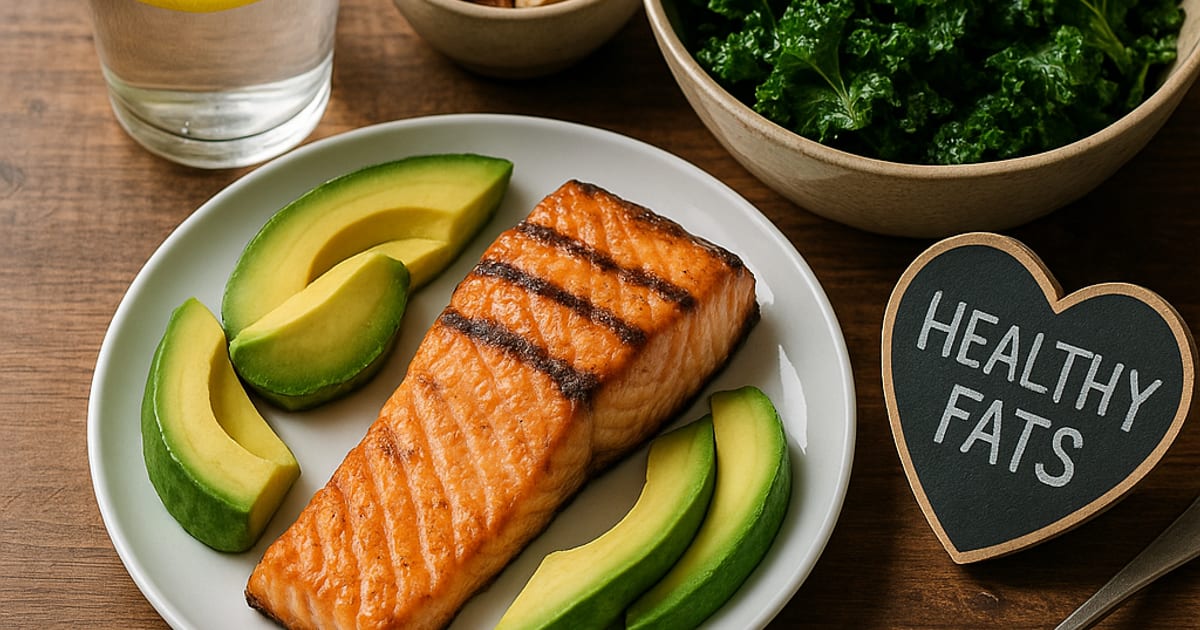
- Choose healthy fats: Replace saturated fats with unsaturated fats. Opt for olive oil, avocado, and nuts instead of butter and fried foods.
- Limit dietary cholesterol: Although recent research suggests that dietary cholesterol only impacts some people, it’s generally wise to limit high-cholesterol foods like organ meats and shellfish.
- Include omega-3 fatty acids: Fatty fish, flaxseeds, and walnuts contain omega-3s that can help lower overall cholesterol levels.
- Avoid processed foods: Limiting trans fats and added sugars found in many processed foods can help protect heart health.
Remember, dietary impacts can vary between individuals. Always consult with a healthcare professional before making significant dietary changes, especially if you have existing health conditions.
Conclusion
Managing cholesterol through diet is a proactive step towards improving heart health. By focusing on whole, nutrient-dense foods, you can naturally support healthy cholesterol levels. For more detailed nutritional guidance, you might be interested in our Keto Diet for Beginners guide, which discusses various dietary approaches to weight management and health.
Put this guide to use
MyDietingApp's free food log lets you record meals and available nutrition details without assuming every meal is perfectly tracked.