Nutrition · · 7 min read
What Foods Make You Retain Water the Most?
Foods high in sodium, carbohydrates, and certain processed items can lead to water retention in the body.
MyDietingApp Editorial · Not medically reviewed
Quick answer
Foods high in sodium, carbohydrates, and certain processed items can lead to water retention in the body.
Water retention, or edema, can be frustrating when you're trying to lose weight or maintain a healthy diet.
While it’s a common occurrence, understanding which foods contribute to this can help you make better dietary choices and feel more comfortable in your body.
What Foods Are Known to Cause Water Retention?
Several types of foods can lead to water retention, often due to their composition. Here are some of the main culprits:
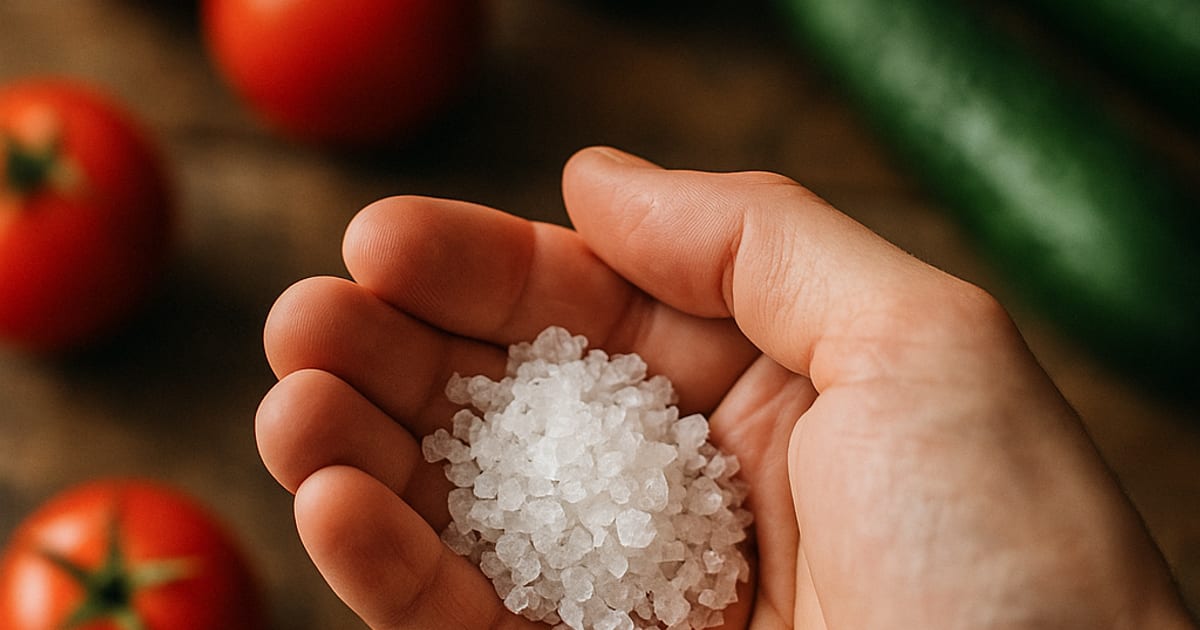
- Salty Foods: High sodium intake is one of the most common causes of water retention. Processed foods, snacks, canned soups, and fast foods are often loaded with salt, which makes your body hold onto water.
- Carbohydrate-Rich Foods: Foods high in carbs, such as bread, pasta, and rice, can lead to temporary water retention. When you consume carbohydrates, your body stores them as glycogen, which binds to water and can increase water weight.
- Packaged Snacks: Items like chips, pretzels, and processed snacks typically contain added sugars and sodium, both of which can increase water retention.
- Alcohol: Drinking alcohol can lead to dehydration. In response, your body may retain water to counterbalance the fluids lost. This can result in bloating and swelling.
How Does Sodium Intake Affect Water Retention?
Sodium is essential for bodily functions, including fluid balance; however, excessive intake can cause the body to store excess water. The kidneys filter sodium out of the blood, but too much sodium can overwhelm this process, leading to higher amounts of fluid retention. When the sodium levels are too high, your body retains water to dilute the sodium, resulting in swelling and discomfort.
To manage sodium intake:
- Read nutrition labels: Opt for foods with lower sodium levels.
- Cook from scratch: Homemade meals allow you to control the amount of salt.
- Choose fresh or frozen foods: These often contain less sodium compared to processed food alternatives.
Are There Any Strategies to Reduce Water Retention?
Aside from being mindful of your diet, there are several strategies you can employ to help reduce water retention:
- Stay Hydrated: Paradoxically, drinking more water can actually help reduce water retention. This is because it encourages your body to release stored fluids.
- Regular Exercise: Physical activity promotes blood circulation and helps your body remove excess water through sweat.
- Increase Potassium Intake: Foods high in potassium, such as bananas, avocados, and leafy greens, can help the body balance sodium levels and increase fluid excretion.
- Limit Processed Foods: Reducing your intake of highly processed and salty foods can cut down on sodium and overall caloric intake.
For those on dietary restrictions, understanding how food choices can affect your body can empower you to make informed decisions. If you’re interested in strategies for managing your overall health and nutrition, exploring resources like this guide on losing belly fat can offer additional insights.
Becoming more aware of foods that contribute to water retention is a practical step toward a healthier lifestyle. By choosing whole foods and monitoring salt intake, you can manage this issue effectively.
Put this guide to use
MyDietingApp's free water tracker can help you record drinks. It cannot determine your individual fluid needs.